
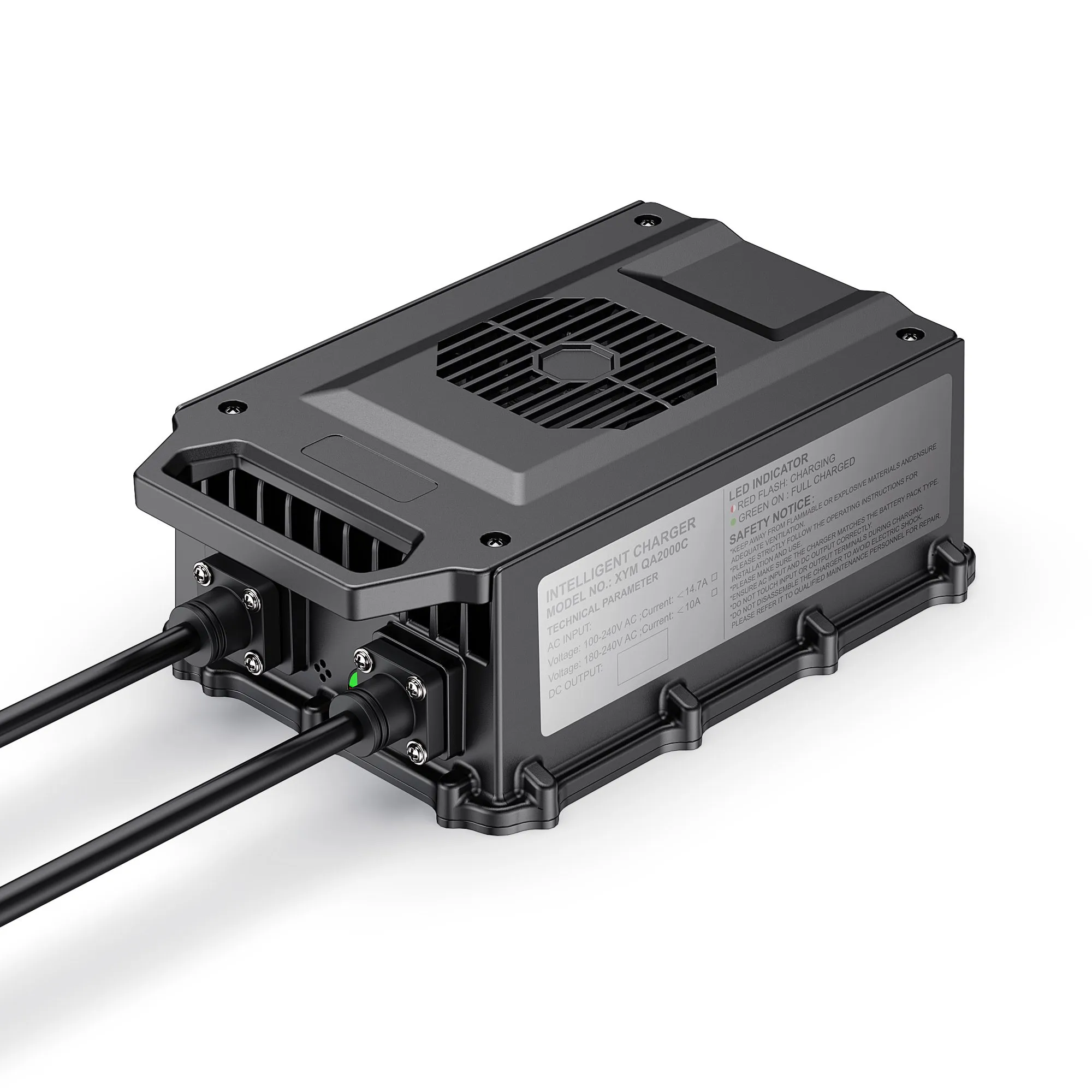
Why certifications matter for battery chargers
Exporting battery chargers without the right approvals can lead to customs rejection, recalls, and liability issues. This guide breaks down the most common global certifications.
UL and cUL (North America)
Underwriters Laboratories safety marks are required by many retailers and electrical codes in the US and Canada. They cover fire, electric shock, and thermal risks.
CE and UKCA (Europe / UK)
CE marking shows conformity with EU safety, health, and environmental requirements. UKCA is the post-Brexit UK equivalent.
PSE (Japan)
Japan's Electrical Appliance and Material Safety Law requires PSE marking for specified electrical products sold in Japan.
KC (South Korea)
The Korea Certification mark is mandatory for many electrical products entering South Korea.
SAA / RCM (Australia / New Zealand)
Electrical safety and EMC approvals are required before products can be sold in Australia and New Zealand.
CB Scheme
The IECEE CB Scheme allows test reports to be mutually recognized across member countries, simplifying national certifications.
Juxon certification support
All Juxon chargers are CE/RoHS compliant. UL, FCC, PSE, KC, SAA, CB and other market-specific approvals can be arranged based on order volume and target country.