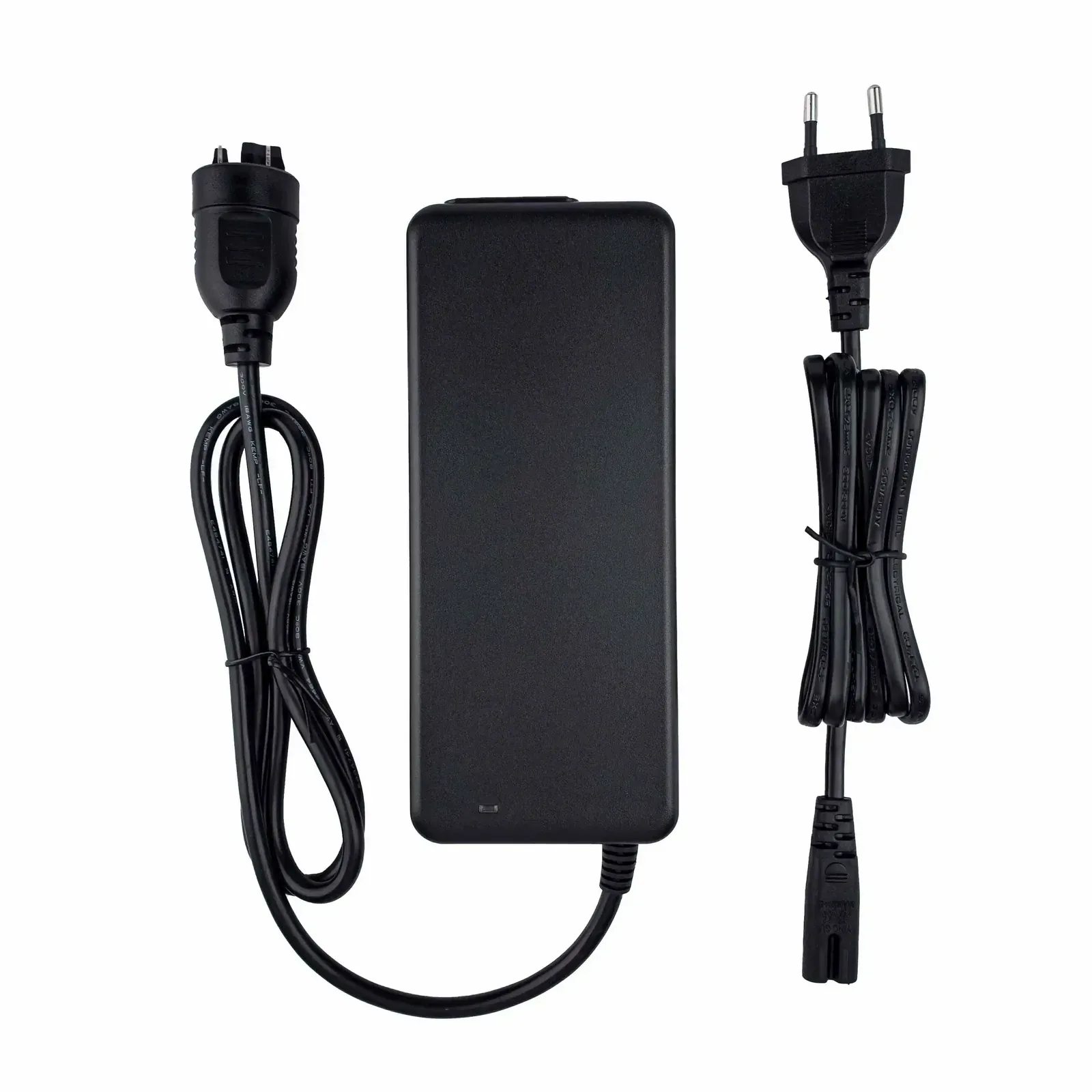
LiFePO4 (lithium iron phosphate) batteries have become the default choice for e-bikes, golf carts, solar storage, and industrial equipment — and many buyers already own a lead-acid charger from an older system. The obvious question follows: can you simply plug a LiFePO4 pack into the lead-acid charger you already have?
The short answer is no, not safely, and not reliably. A lead-acid charger is built for a completely different voltage curve, and forcing it onto a lithium pack can leave the battery undercharged, trip its BMS, or quietly shorten its service life. This guide explains exactly why, what actually happens inside the pack, and which charger to specify instead.
Why a lead-acid charger and a LiFePO4 battery disagree
A lead-acid battery is charged with a multi-stage profile: bulk, absorption, and a timed float or equalization finish that holds a higher voltage for hours. A LiFePO4 cell, by contrast, wants a precise constant-current / constant-voltage (CC-CV) profile that stops the moment the cell reaches its regulation voltage — typically 14.6 V for a 12 V pack, 29.2 V for 24 V, and 58.4 V for 48 V — with no prolonged float.
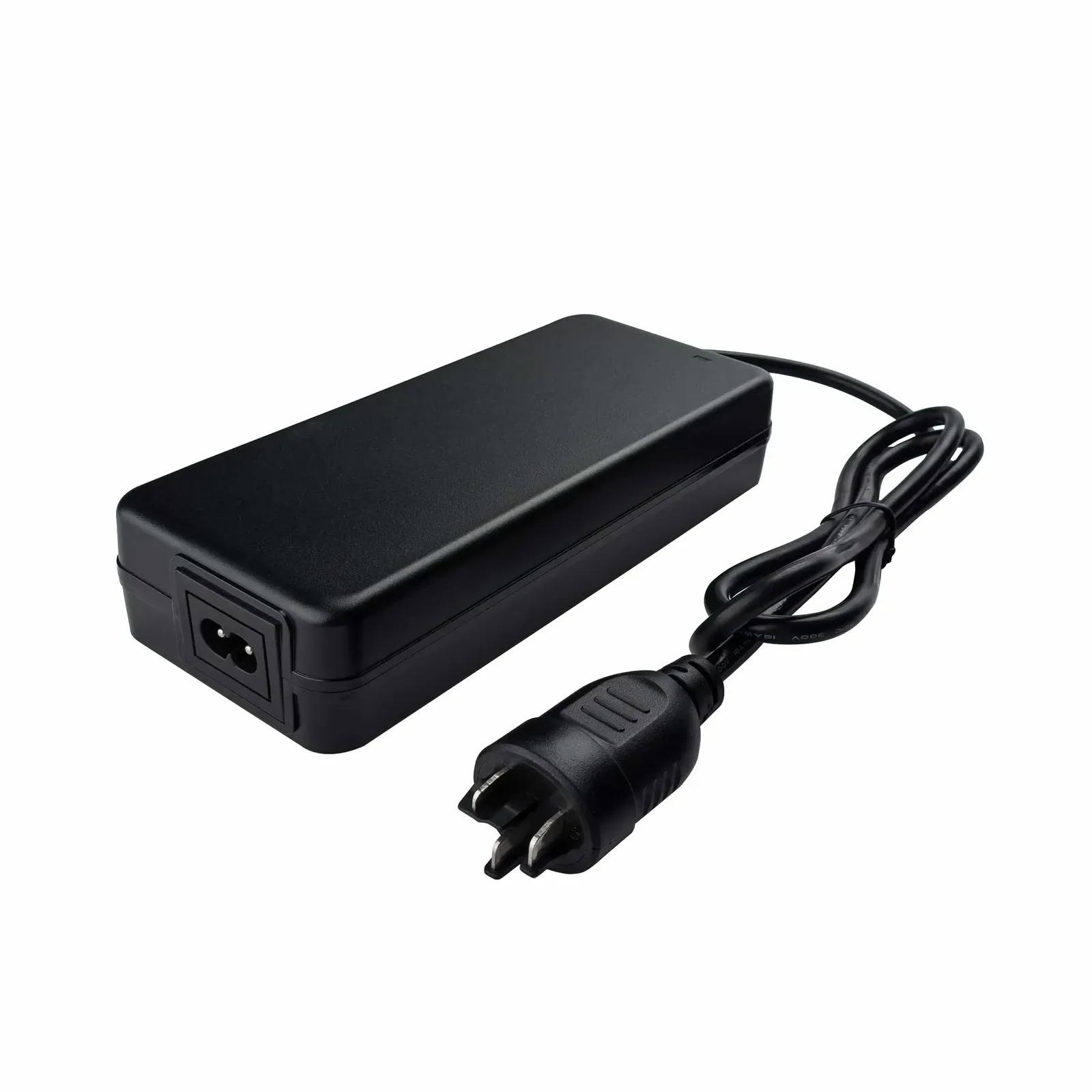
When a lead-acid charger floats a LiFePO4 pack at 13.6 to 13.8 V (or tries to equalize it), two things happen. First, the pack is never fully charged, so usable capacity drops by 10 to 20 percent. Second, the charger's algorithm never sees the clean termination it expects, so it may run indefinitely or fault out.
What actually happens to the battery
- Undercharging. The pack sits at 90 to 95 percent state of charge. Range and runtime fall, and the user blames the battery instead of the charger.
- BMS lockout. Most LiFePO4 packs carry a Battery Management System that disconnects the pack if it detects an unsafe condition. A confused charging profile can trigger an over-voltage or timeout fault, leaving the pack dead until manually reset.
- Accelerated aging. Repeated partial charging and stray float voltage raise cell imbalance over months, permanently reducing cycle life.
Lead-acid charger vs LiFePO4 charger
| Parameter | Lead-acid charger | LiFePO4 charger |
| --- | --- | --- |
| Charge profile | Bulk, absorption, float/equalize | CC-CV, no float |
| 12 V pack target | ~13.6 to 14.4 V (float) | 14.6 V fixed |
| BMS communication | None | Recognized, clean termination |
| Risk to lithium pack | Undercharge, lockout, aging | Minimal when matched |
| Warranty impact | Often voids it | Compliant |
For fleet and OEM operators, the cost of a mismatched charger is not a single bad charge. It shows up as warranty claims, returned packs, and avoidable support load. Specifying the correct CC-CV profile up front is far cheaper than repairing the damage later.
Can you make it work with settings?
Some modern lead-acid chargers offer a lithium or AGM mode. A true lithium mode that terminates at the correct CV voltage and skips float can work in an emergency — but most AGM modes still float, so read the spec sheet. If the charger cannot be set to the exact pack voltage with no float, do not rely on it.
What to specify instead
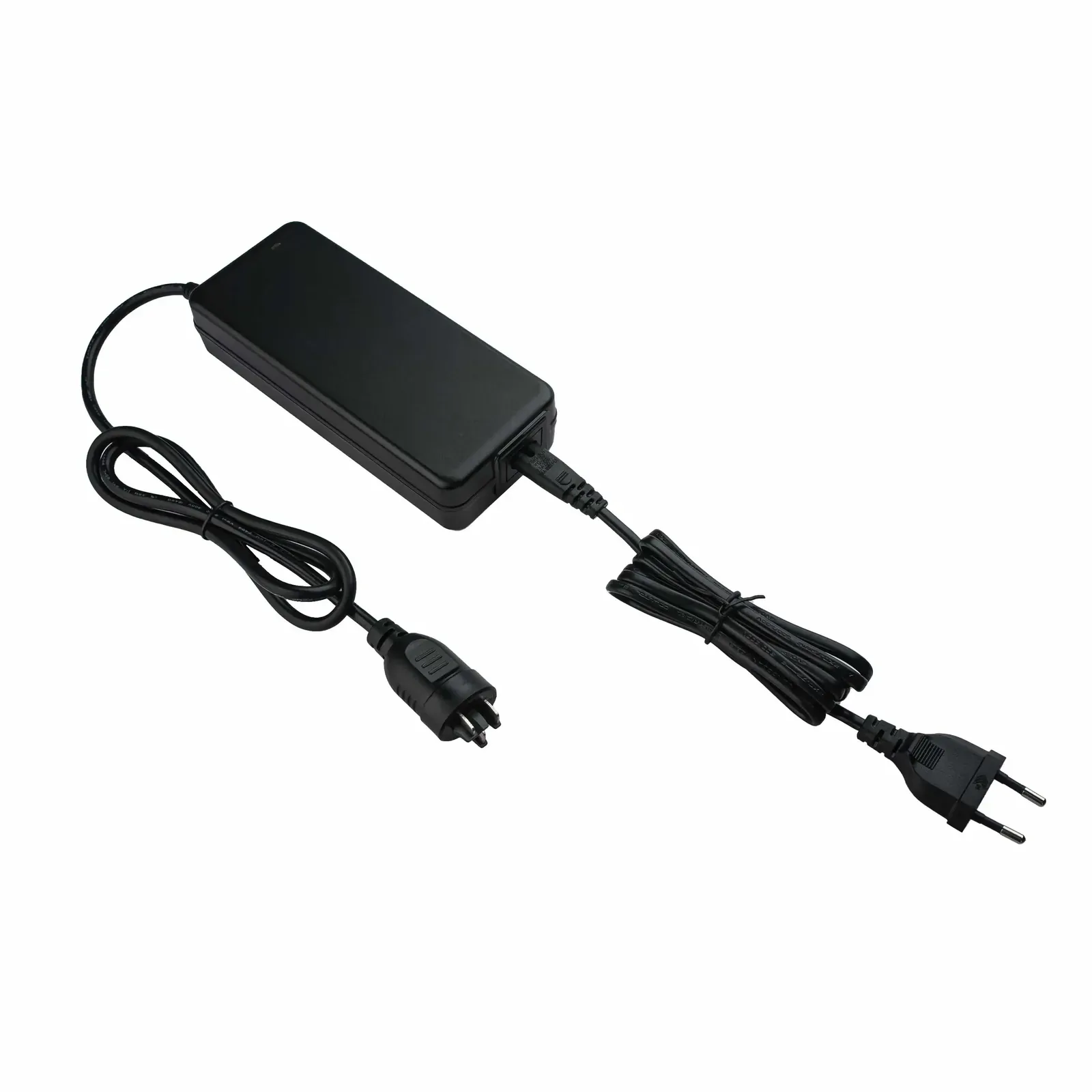
Choose a charger explicitly built for LiFePO4: a CC-CV profile at the right pack voltage, with the correct connector and current rating for your application. For OEM and private-label programs, work with a manufacturer that can match the profile to your exact cell count, housing, and connector — and validate it on your own pack before volume production.
JUXON builds OEM LiFePO4 battery chargers from 48 W to 8000 W, each profiled to the target chemistry and verified against the customer's battery. Our battery charger knowledge center covers profiling, certification, and application selection in depth.
FAQ
Can a trickle lead-acid charger damage a LiFePO4 battery? A low-current float charger usually will not destroy a pack, but it will keep it permanently undercharged and can confuse the BMS. Avoid it.
What voltage should my LiFePO4 charger be? 14.6 V for 12 V, 29.2 V for 24 V, 58.4 V for 48 V — matching the pack's nominal series count. Confirm with the cell datasheet.
Will using the wrong charger void my warranty? In most cases, yes. Manufacturers specify a chemistry-matched charger, and deviating is treated as misuse.
How do I choose the right amp rating? Size the current to 0.2 to 0.5 C of pack capacity (for example, a 100 Ah pack charges well at 20 to 50 A). Higher current is faster but needs thermal headroom.
Get a charger profiled to your battery
The safest, highest-performance result comes from specifying a charger to the battery, not forcing the battery onto an old charger. Discuss your application with our engineers — share voltage, chemistry, connector, and expected volume, and we will return a validated profile.