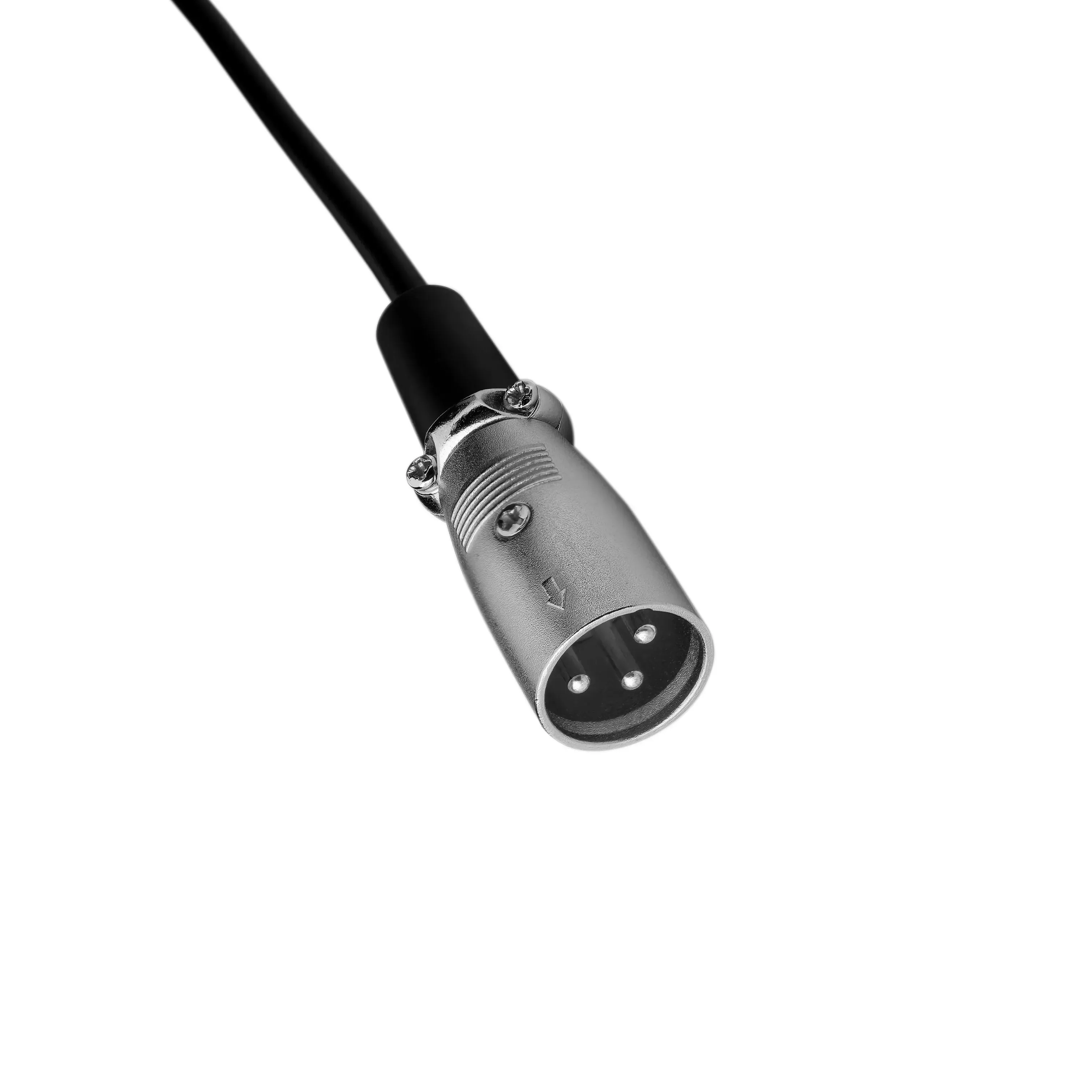
Connector compatibility is often described as a plug question, but a safe charger decision needs more evidence. Mechanical fit, pin locations and cable shape are useful starting points; they do not confirm the permitted charging profile, polarity, communication or BMS behaviour.
First, capture a clear image of both sides of the connection and any label on the original charger or battery. If a connector reference is available, include it. Then record the pin definition or confirm which pins are positive, negative, signal and unused. This gives the engineering team a basis for checking the interface rather than guessing from appearance.
Next, confirm the battery chemistry, charge voltage and permitted charging current. The same connector family can appear on different battery systems, and a visually compatible plug does not establish a compatible charging profile. If the system uses CAN, another communication method or a BMS enable signal, include that information before proposing a replacement.
For fleet, distributor and OEM projects, retain the validated connector and electrical definition with the approved product record. This makes later service replacements more consistent and reduces the chance that a similar but unsuitable charger is selected for the same equipment family.